 PSV Eindhoven Hub
Tactical Adjustments for PSV Eindhoven: Enhancing Fluidity and Structure
As the Boeren continue their campaign in the Eredivisie, recent matches have showcased a blend of brilliance and inconsistency. While PSV Eindhoven has demonstrated flashes of attacking prowess, tactical nuances within their formation could be tweaked to elevate their overall performance. This article delves into the team's current tactical setup, highlights recent form, and suggests specific adjustments to enhance fluidity and structure on the pitch.
Recent Form: A Mixed Bag
PSV Eindhoven's recent performances have been characterized by an exciting attacking style, yet the lack of cohesion in the midfield has been noticeable. In their last few fixtures, the front three—often led by players like Xavi Simons and Luuk de Jong—have displayed excellent movement and creativity, establishing a potent offensive threat. However, the transition from defense to attack has sometimes been sluggish, leaving gaps that opponents have exploited.
Defensively, while the full-backs have contributed to offensive play, their positioning has occasionally left the backline vulnerable during counter-attacks. This imbalance has created moments of uncertainty that have resulted in dropped points, particularly in high-stakes matches.
Suggested Tactical Tweaks
1. Midfield Structure: A Double Pivot?
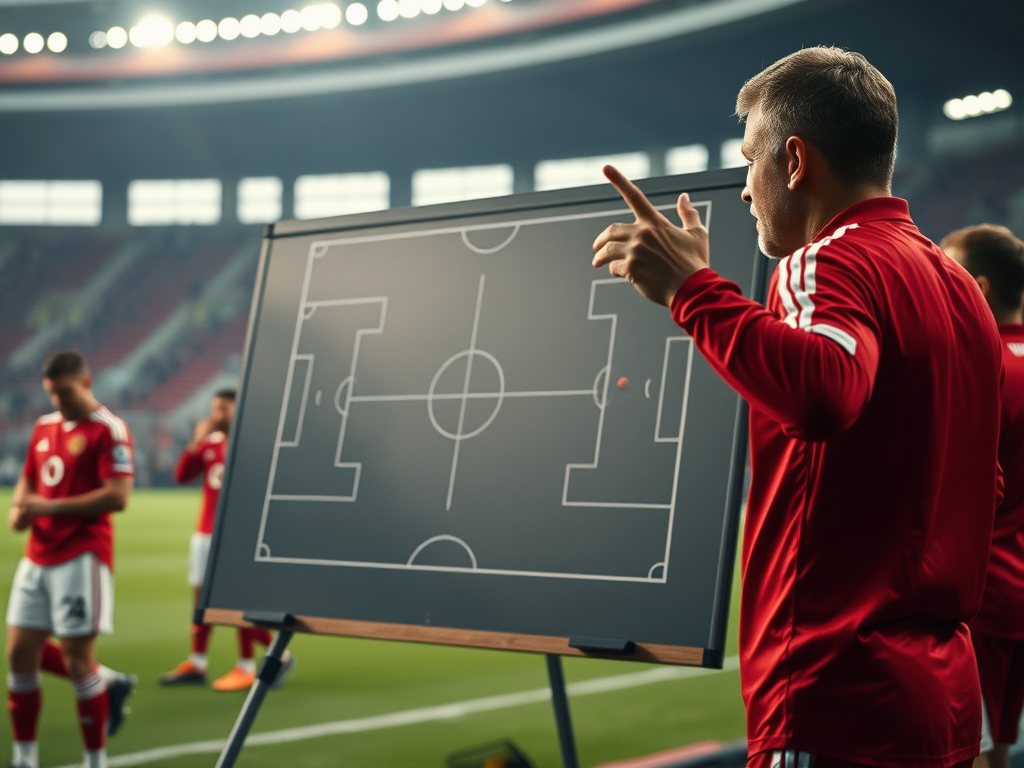
One of the most pressing adjustments could involve the introduction of a double pivot in midfield. Currently, the midfield setup often includes a single defensive midfielder, which has proven inadequate against teams that press aggressively. By employing a dual pivot, PSV can enhance ball retention and provide additional cover for the defense. This tactical shift would allow players like Ibrahim Sangaré and Joey Veerman to control the tempo, providing a solid foundation for both defensive stability and offensive transitions.
2. Full-Back Positioning: Balance is Key
The full-backs, while crucial for width, must also be instructed to maintain a more conservative positioning during transitions. In recent matches, their high positioning has left the center-backs exposed when possession is lost. By encouraging them to hold slightly deeper positions, the team can ensure a more compact defensive structure, reducing the risk of counter-attacks. This tactical discipline could also allow the wingers to exploit the spaces left by opposing defenders, creating more opportunities on the flanks.
3. Fluid Front Three: Rotational Play
While the current front three have shown great chemistry, introducing more fluidity in their movement could further enhance their effectiveness. Encouraging players to interchange positions frequently would not only confuse opposing defenders but also create more space for overlapping runs from the full-backs. This rotational play, combined with quick one-two exchanges, could result in more penetrating attacks and goal-scoring opportunities.
4. Set-Piece Strategy: A Tactical Edge
PSV has traditionally been strong in set-piece situations; however, recent matches have shown a lack of creativity during these moments. It's imperative to reinvigorate their approach to corner kicks and free-kicks. Implementing more varied routines could lead to surprise goals from set-pieces, providing an additional advantage in tightly contested encounters.
Conclusion: A Path Forward
By making these tactical tweaks, PSV Eindhoven can harness their attacking talent while addressing defensive vulnerabilities. The integration of a double pivot, adjusted full-back positioning, fluid movement among forwards, and a revamped set-piece strategy could significantly improve the Boeren's performance as they aim to reclaim their status at the top of the Eredivisie. As the season progresses, the implementation of these adjustments will be crucial for PSV to secure their aspirations and strengthen their challenge against rivals like Ajax.