 PSV Eindhoven Hub
Introduction
The early 2000s marked a golden era for PSV Eindhoven, a period defined by remarkable attacking talent and tactical innovation. With an array of prolific forwards and a visionary manager, PSV not only dominated the Eredivisie but also made significant strides in European competitions. This article delves into the players, tactics, and legacy of PSV's fearsome attacking line during this unforgettable decade.
Key Players Who Shaped the Era
The success of PSV's 2000s attack can be attributed to a handful of extraordinary players who left an indelible mark on the club’s history.
- Ruud van Nistelrooy: A goal-scoring machine, Van Nistelrooy's clinical finishing and positioning made him the focal point of PSV's attack before his move to Manchester United.
- Arjen Robben: Known for his blistering pace and dribbling skills, Robben terrorized defences with his ability to cut in from the left flank and unleash powerful shots.
- Jan Kromkamp: Although primarily a defender, Kromkamp’s ability to join the attack added another layer of threat down the right side.
- Arouna Koné: The Ivorian forward provided a dynamic presence, contributing with both goals and assists during his tenure.
Each of these players not only brought their own skills but also complemented one another, creating a formidable attacking unit that was feared across Europe.
Tactical Breakdown of PSV's Approach
Under the guidance of coach Guus Hiddink, PSV adopted an attacking style characterized by fluid movement and quick transitions. The team often played in a 4-3-3 formation, which allowed for versatility and adaptability on the pitch.
Key Tactical Elements:
- High Pressing: PSV utilized a high pressing strategy to win back possession quickly, often forcing opponents into mistakes in their own half. - Wing Play: With players like Robben and Kromkamp, PSV frequently stretched the opposition's defence, creating space for central attackers. - Fluid Front Three: The front three would interchange positions, making it difficult for defenders to mark them effectively. This unpredictability was a hallmark of their attacking play.
Hiddink’s tactical acumen was instrumental in ensuring that PSV not only scored freely but also maintained a solid defensive structure. This balance was crucial in their domestic and European successes.
The Impact on Domestic Competitions
During the early 2000s, PSV's attacking prowess translated into significant success in the Eredivisie. The club clinched multiple league titles, establishing itself as the preeminent force in Dutch football.
- 2000-01 Season: PSV finished the season with an impressive goal tally, largely thanks to Van Nistelrooy’s contributions.
- 2003-04 Season: The team scored a staggering 81 goals in the league, illustrating their attacking dominance.
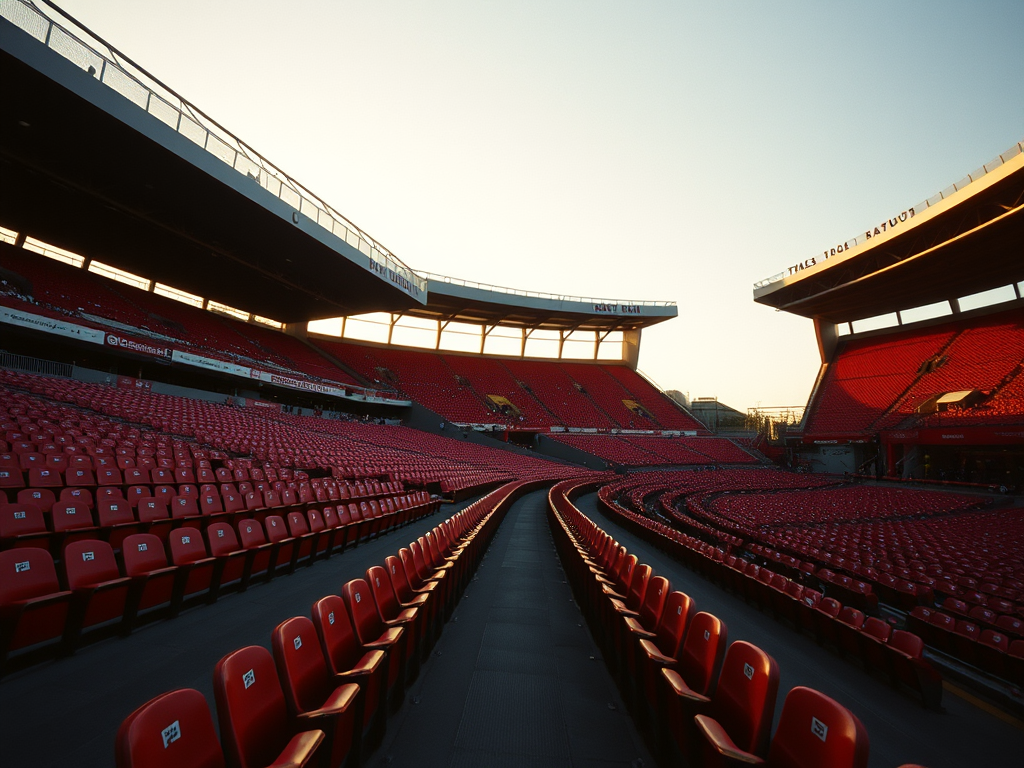
- Home Advantage: Matches played at the Philips Stadion became a fortress, with fans witnessing thrilling displays of attacking football week in and week out.
PSV's success in the league not only solidified their reputation domestically but also paved the way for their forays into European competitions.
European Ventures and Challenges
The pinnacle of PSV's attacking exploits came during the UEFA Champions League campaigns in the early 2000s. The club reached the knockout stages multiple times, showcasing their strength on the continent.
- 2004-05 UEFA Champions League: PSV reached the semi-finals, where they faced AC Milan. While they ultimately fell short, their attacking display throughout the tournament was a testament to their quality.
- Memorable Matches: Victories against top European clubs highlighted their formidable attacking unit, such as the 3-0 win over Monaco, where the forwards were in scintillating form.
Despite facing tough competition, PSV consistently proved they were not just a domestic powerhouse but also a team to be reckoned with in Europe.
Fan Reactions and Legacy
The legacy of PSV’s 2000s attack extends beyond the pitch; it has left an indelible mark on the club's fanbase. Supporters often reminisce about the exhilarating matches and the sheer talent on display.
- Nostalgia: Fans recall the excitement of watching Robben's dazzling runs and Van Nistelrooy's predatory instincts in front of goal.
- Cultural Impact: The attacking style has influenced subsequent generations of players and coaches at PSV, embedding a culture of offensive football.
- Community Engagement: The success of the team fostered a strong sense of pride and community, with fans rallying behind the club through thick and thin.
The attacking flair of the 2000s has become a benchmark for future PSV teams, setting high expectations for both performance and style.
What's Next
As PSV Eindhoven continues to evolve, the club remains committed to fostering attacking talent. The current squad, with emerging stars and experienced players, aims to recapture the glory of the past while adapting to modern football. Upcoming matches in the Eredivisie will serve as vital tests for their attacking prowess, as they pursue both domestic and European success.
With a rich legacy behind them, PSV Eindhoven fans can only hope that the next generation of players can live up to the high standards set by their predecessors. The echoes of those thrilling matches still resonate, reminding everyone of a time when PSV's attack was nothing short of terrifying.